


monkey academy
Mold vs Mildew on Your Home’s Exterior – How to Spot, Treat, and Prevent Them | EXPERT PRESSURE WASHING SERVICES
You’re gazing at your siding or deck and notice some unsightly splotches creeping on the surface. Is it mold? Is it mildew? More importantly, how do you get rid of it? This tag team of fungi may look alike at first glance, but knowing the difference between mold and mildew is the key to choosing the right removal method and keeping them from staging an encore!
This blog will help you:
- Understand the differences between mold and mildew.
- Spot these pesky problems on your home’s exterior.
- Learn how to clean and prevent future fungal growth.
- Decide when it’s time to call in the pressure cleaning experts.
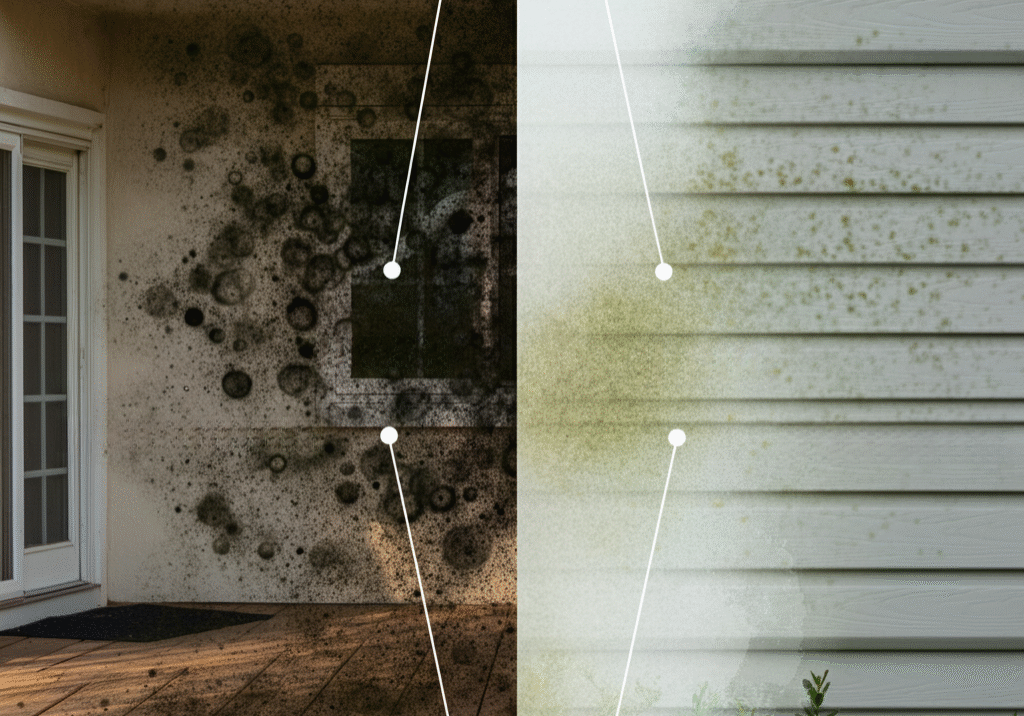
- Mildew: Think flat and powdery. Mildew often appears as thin layers of gray, white, or light brown spots. It may seem like a harmless layer of dirt until you take a closer look.
- Mold: This guy is more sinister. Mold tends to look fuzzy or slimy and comes in a variety of darker colors, ranging from green and black to shades of orange. Mold often grows in raised patches and is much harder to scrub away.
Mold vs. Mildew – Do You Know the Difference?
First things first—what exactly are mold and mildew? Both are types of fungi, but they have different appearances, growth habits, and risks. Mildew sticks to surfaces and is often easier to deal with, whereas mold digs deeper, grows larger, and can be far more damaging to your home and health.
Knowing how to identify each before grabbing your pressure washer saves you time, money, and effort.
How to Spot Mold and Mildew
Your detective work starts here! A quick look at your exterior surfaces can usually help you spot the difference.
Fun fact? Mildew is often mold’s “gateway” act. If left untreated, mildew can evolve into mold over time. Talk about a fungal frenemy!
Favorite Hangouts – Where Mold & Mildew Grow
Mold and mildew thrive in damp, shady spots where moisture lingers longer than it should. Your home’s exterior provides plenty of opportunities for these fungi to move in.
Mildew-Loving Locations
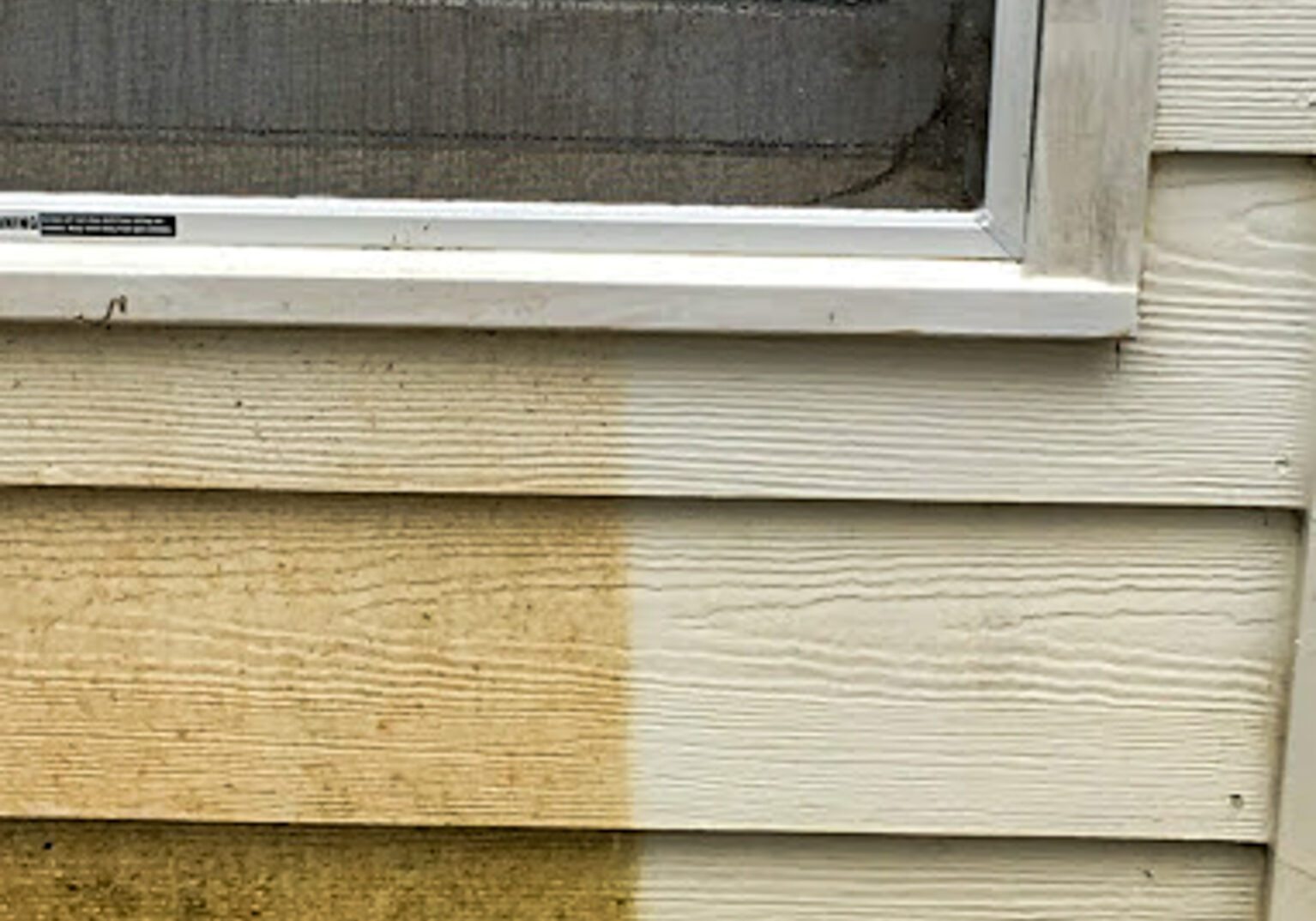
- Vinyl siding is often the most common target. Mildew loves to camp out here, creating unsightly stains that dull your curb appeal.
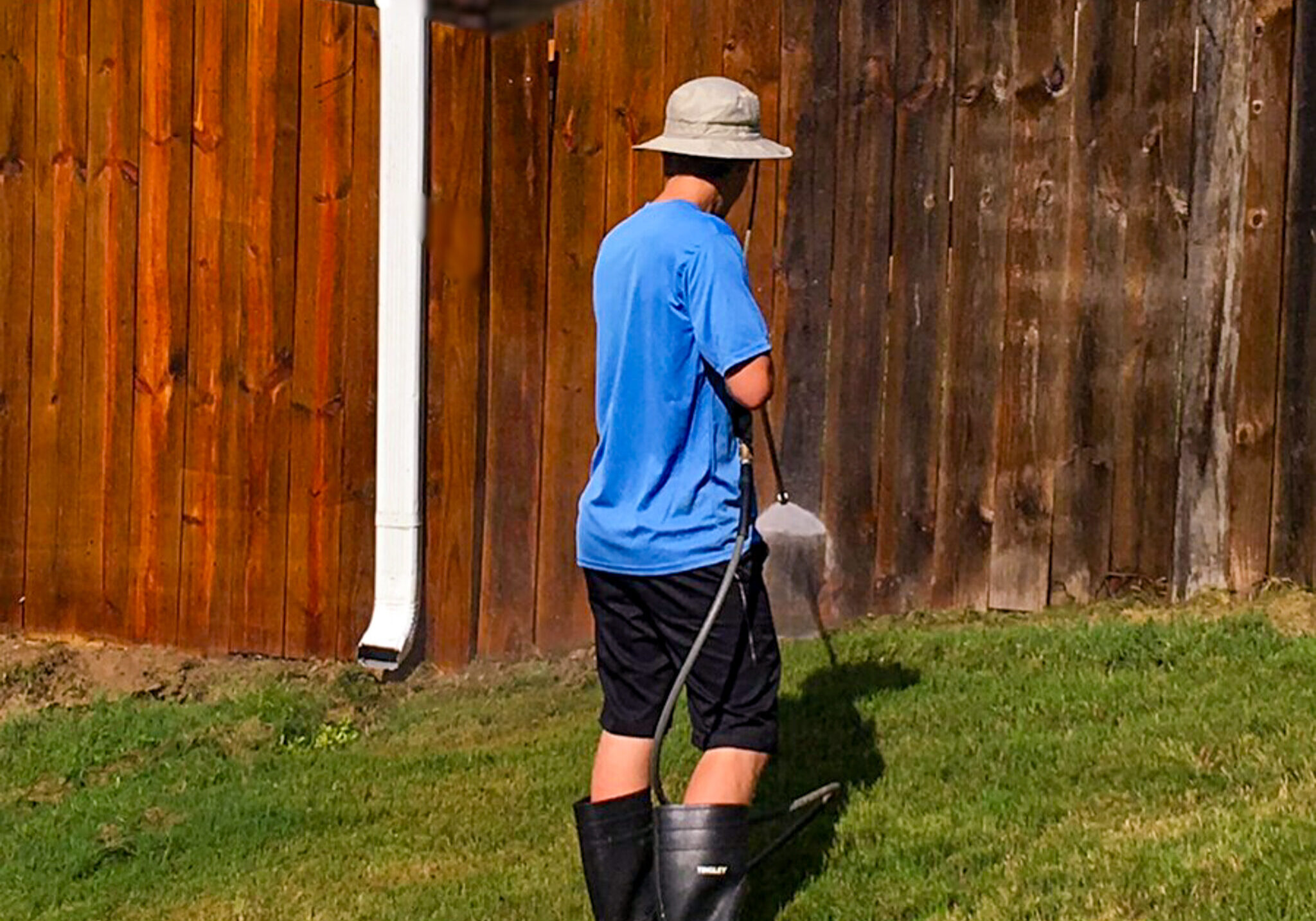
- Wooden fences and decks may attract mildew if the wood isn’t treated or sealed.
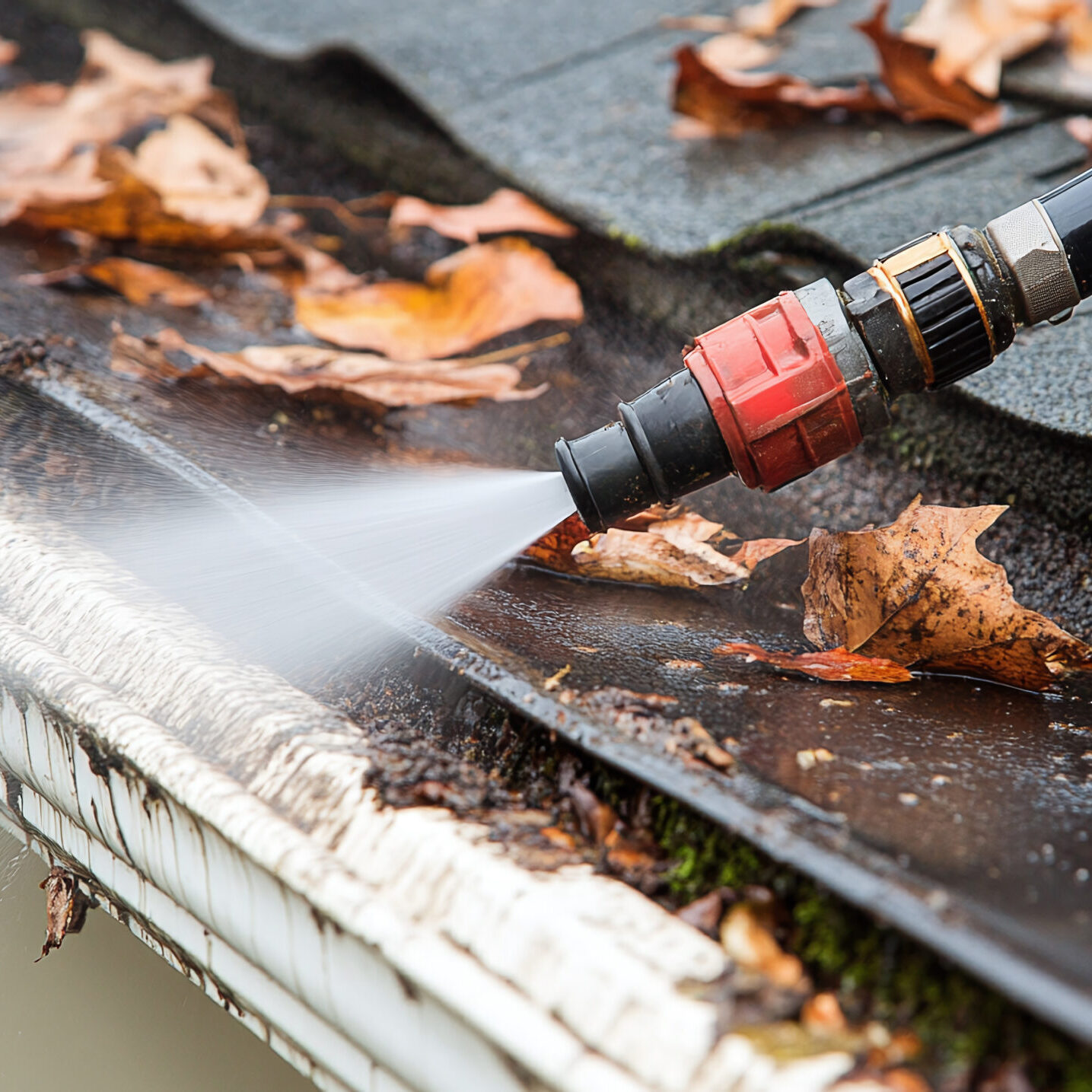
- Gutters are another hotspot, thanks to debris build-up and shade.
Mold’s Preferred Homes
-
Mold takes it a step further, especially in areas where water sits longer or materials are compromised. You’ll often find mold on:
- Wooden decks or fences that hold moisture.
- Shaded areas of siding where ventilation is poor.
- Cracked or moisture-damaged surfaces, where it can take root.
Why It’s More Than Just Cosmetic – Health and Home Risks
A splotch of fungi might not seem like a big deal, but ignoring mold and mildew can lead to serious consequences.
HEALTH RISKS
- Mildew: Mostly a surface nuisance, but prolonged exposure can cause allergies and respiratory irritation in sensitive individuals.
- Mold: The real troublemaker. Mold spores can trigger allergies, asthma attacks, and other respiratory issues. Black mold, in particular, is toxic and should be handled with caution.
HOME DAMAGE
- Both mold and mildew eat away at exterior surfaces over time. Wooden decks and fences can rot, siding may stain or warp, and your gutters can clog and fail. These seemingly small issues can lead to costly repairs.

The Best Way to Clean Mold vs. Mildew
CLEANING MOLD
- Mold requires a bit more muscle. Start with a mix of water and bleach (1 part bleach to 3 parts water) to kill mold spores.
- Use a sturdy scrub brush and always wear gloves and a mask to avoid inhaling spores.
- For heavily affected areas, or those hard-to-reach spots, a professional pressure washing service like Blue Monkey Pressure Washing & Wood Care can safely and effectively remove even the most stubborn mold.
CLEANING MILDEW
- Start with warm water and a mild detergent or vinegar solution.
- Scrub it off with a soft-bristle brush—it typically doesn’t require too much elbow grease.
- For larger areas, consider clean pressure washing for a faster solution.
When to Call IN the Pros
Not feeling up to the task? That’s where pressure cleaning experts step in! Here are some signs it may be time to call for help:
- Large, hard-to-remove mold infestations.
- Repeated mold or mildew growth even after cleaning.
- Damage to wooden surfaces, fences, or siding that needs careful attention.
- A “before and after pressure washing” transformation you simply don’t have the time to tackle yourself.
Professional pressure washing stain removal services can do more than clean—they restore and preserve your home’s beauty.